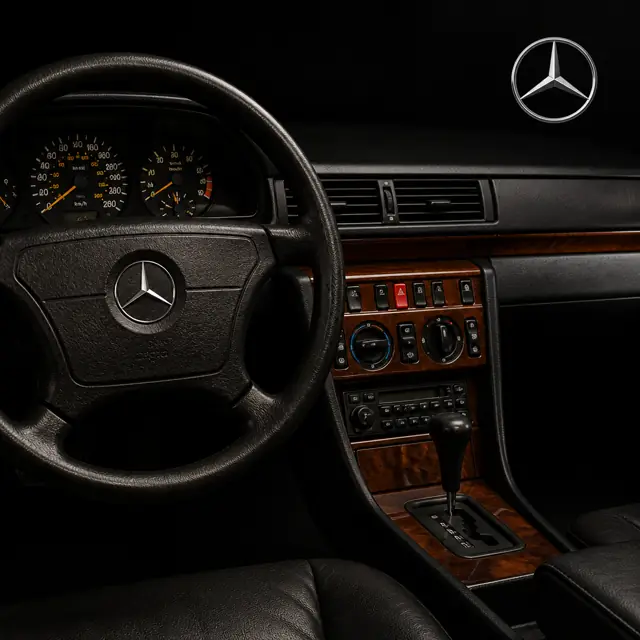
Mercedes-Benz / Classic Collection
Wood Parts for Classic Mercedes-Benz
Explore wood components and restoration for Mercedes-Benz.
Explore the Mercedes-Benz collectionEVERWOOD / THE COLLECTION
Browse the EVERWOOD collection of handcrafted, precision-engineered wooden components for legendary automobiles. From high-gloss Burr Walnut dashboards for Mercedes-Benz to authentic Zebrano center consoles for BMW, every piece is crafted using 3D scanning and CNC technology (0.1mm tolerance) to ensure a perfect factory fit.
We offer 100% real wood veneer—never cheap vinyl wraps or hydro-dipping imitations.
Explore the collection ↓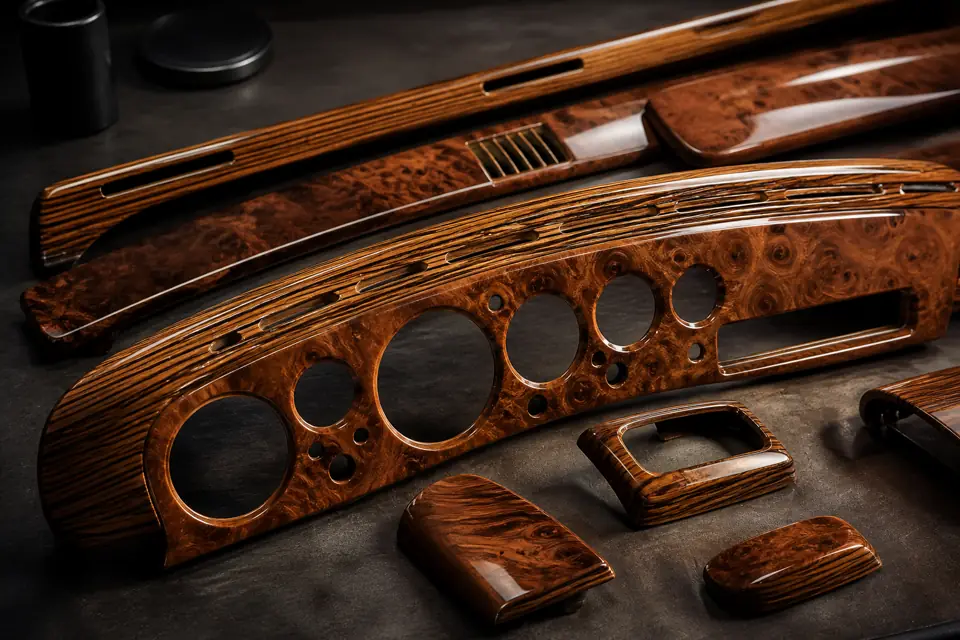
Explore wood parts and restoration for your classic car.
Mercedes-Benz / Classic Collection
Explore wood components and restoration for Mercedes-Benz.
Explore the Mercedes-Benz collection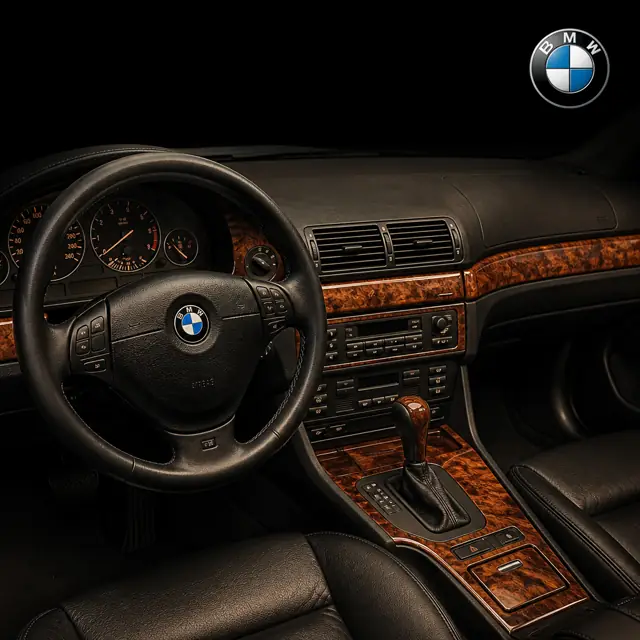
BMW / Classic Collection
Explore wood components and restoration for BMW.
Explore the BMW collection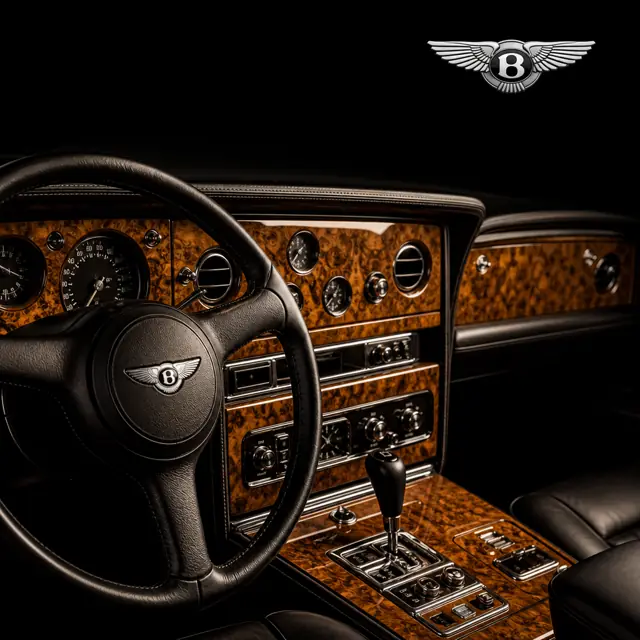
Bentley / Classic Collection
Explore wood components and restoration for Bentley.
Explore the Bentley collection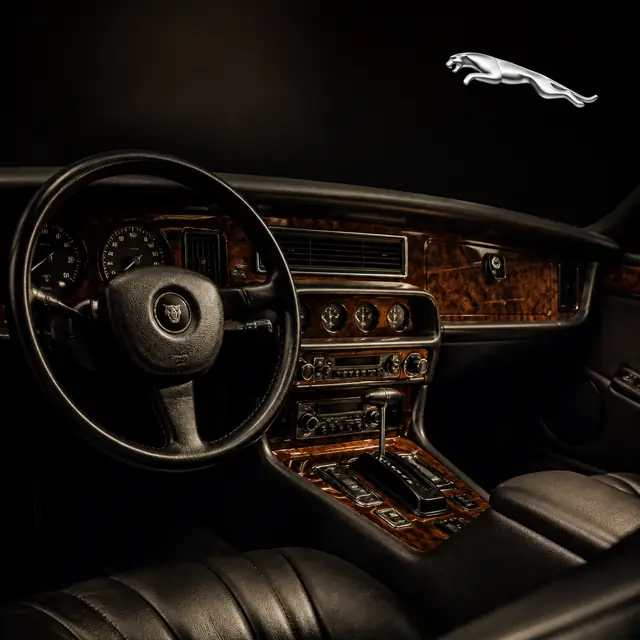
Jaguar / Classic Collection
Explore wood components and restoration for Jaguar.
Explore the Jaguar collection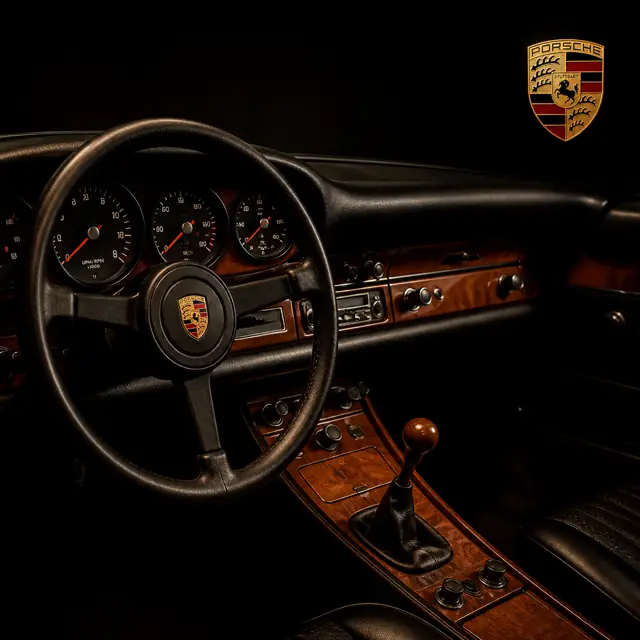
Porsche / Classic Collection
Explore wood components and restoration for Porsche.
Explore the Porsche collection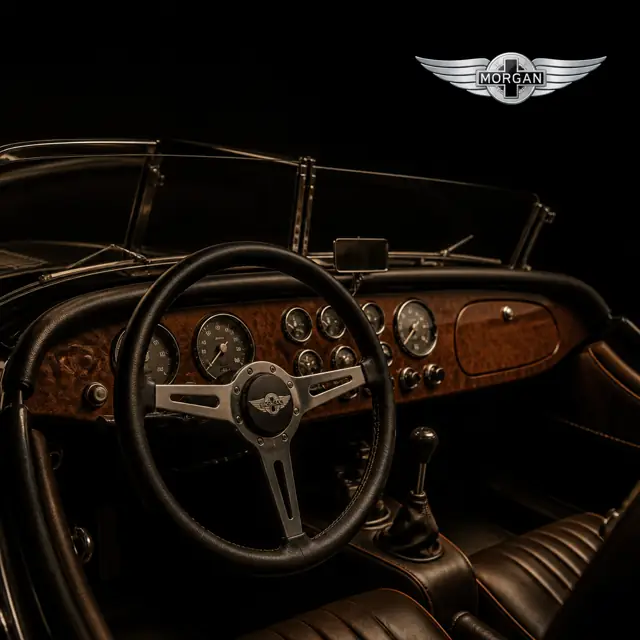
Morgan / Classic Collection
Explore wood components and restoration for Morgan.
Explore the Morgan collection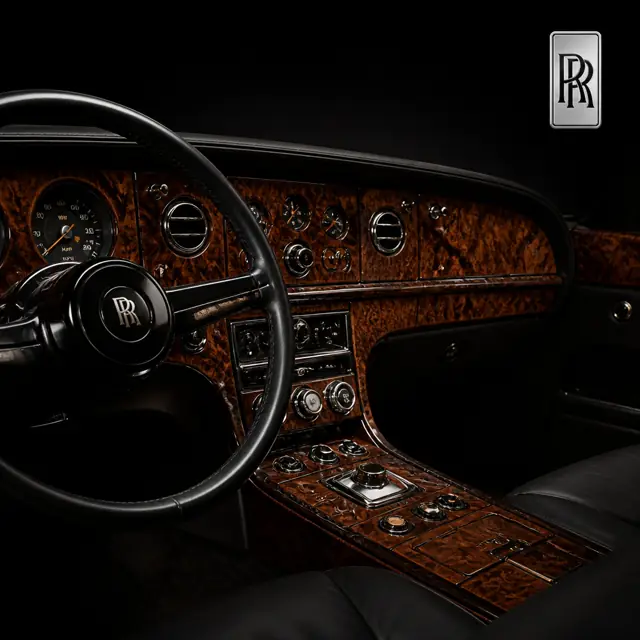
Rolls-Royce / Classic Collection
Explore wood components and restoration for Rolls-Royce.
Explore the Rolls-Royce collection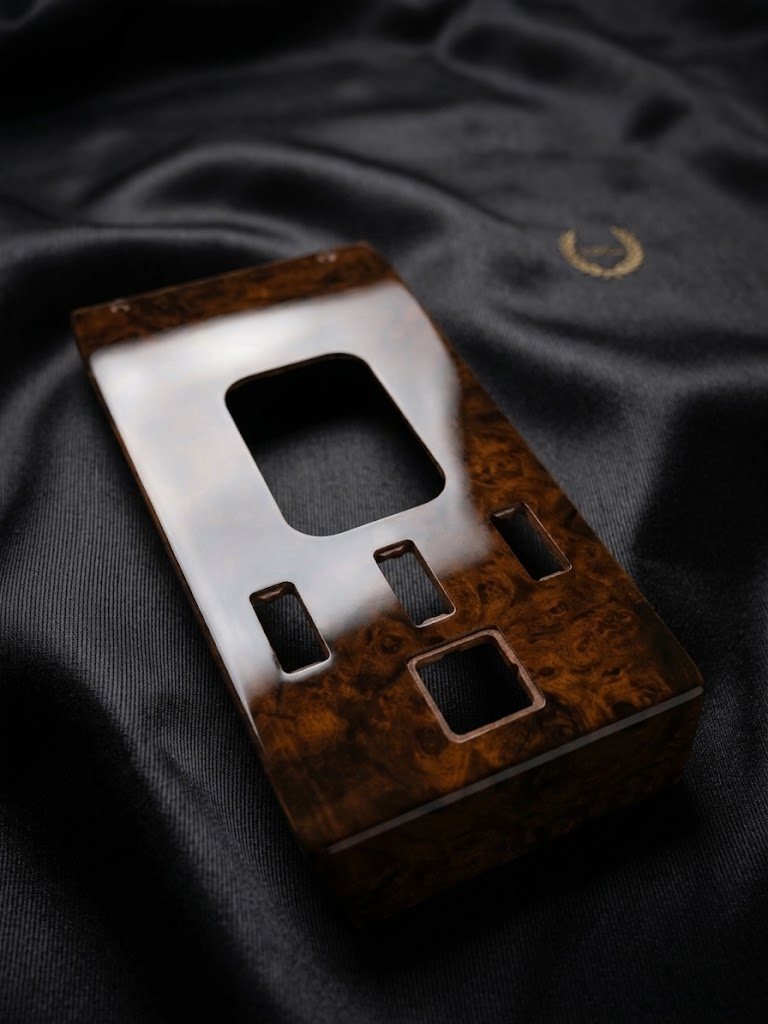
Mercedes-Benz / R107
348.60 EUR
↗ Demonstration listing
Mercedes-Benz / W124 / W201
Price on request
↗ Demonstration listing
Mercedes-Benz / W126
Price on request
↗ Demonstration listing
Mercedes-Benz / W124
Price on request
↗ Demonstration listing
Mercedes-Benz / W126
Price on request
↗ Demonstration listing
Mercedes-Benz / W124 / W201
Price on request
↗ Demonstration listing
Mercedes-Benz / W124 Coupe
Price on request
↗ Demonstration listing
Mercedes-Benz / W124
Price on request
↗Classic cars from the 1970s, 80s, and 90s, such as the Mercedes-Benz W124, W126, or BMW E39, featured exquisite wood interiors. However, after decades of exposure to UV radiation, extreme cabin temperatures, and humidity, the original factory veneer inevitably cracks, peels, and fades. The base material (often cheap plastic or wood composite) begins to warp, leaving the interior looking tired and damaged. Finding a pristine OEM replacement is nearly impossible today, as most original parts have suffered the same fate.
At EVERWOOD, we don't just restore wood; we engineer it for eternity. Our process begins with Reverse Engineering. We take an original, undamaged part (or a highly accurate 3D scan) and recreate it using CAD software. This allows us to mill a high-strength, temperature-resistant ABS/PC core using CNC machines with a tolerance of 0.1mm. This guarantees that the new part will click into place exactly like the factory original.
Next comes the Authentic Veneer Application. We source premium, hand-selected woods—such as Burr Walnut for British classics, Zebrano for German engineering, and Vavona for BMW. The veneer is vacuum-pressed onto the core to eliminate any air bubbles, ensuring it conforms perfectly to curves and complex geometry.
Finally, the piece undergoes our High-Gloss 2K Finish. We apply multiple layers of UV-resistant polyurethane, sanding and polishing between each coat. This creates the legendary "Piano Finish"—a deep, glass-like shine that protects the wood from future UV damage and thermal shock.
The market is flooded with cheap alternatives: water transfer printing (hydro-dipping) or adhesive vinyl wraps. While these are inexpensive, they lack the depth, texture, and authenticity of real wood. They often look flat, fade quickly in the sun, and peel at the edges. EVERWOOD products are investment-grade. They add tangible value to your classic car, preserving its heritage and elevating its resale value.
A successful interior restoration begins with identifying the exact vehicle and the component to be replaced. A model name alone may not capture differences between production years, body styles, equipment levels or markets. Before ordering a dashboard panel, center console or shift surround, compare the shape, mounting locations and openings with the part in your car. Clear photographs of the front, back and attachment points help the workshop understand what you need.
If a vehicle has been modified during a previous restoration, the existing trim may not match the original configuration. Record the vehicle year, chassis designation, steering-wheel side and any known changes. For a set of matching pieces, photograph neighboring panels in daylight so that the appearance and grain direction can be discussed. Natural wood varies from one sheet to another; a carefully chosen veneer can complement the surrounding interior without claiming that two individual pieces of wood will ever be identical.
Burr Walnut is valued for its intricate figure and has a strong association with traditional British luxury interiors. Zebrano has a more linear, contrasting grain and is often associated with German vehicles. Vavona offers another distinctive pattern for owners seeking the warmth of figured wood. The available species, color and finish should be confirmed for the particular product or custom project rather than assumed from a model name.
When comparing surfaces, look beyond the color in a photograph. Lighting, camera settings and the surrounding upholstery can change the way a veneer appears. Ask about the intended grain direction, whether a component is supplied individually or as part of a set, and how the finish relates to the other pieces in the cabin. This is especially useful when the goal is to retain an existing dashboard while replacing only one damaged console panel.
For more complex work, a damaged original or technical drawing can provide valuable reference information. Our logistics and reverse-engineering page explains how to begin an inquiry without sending the entire vehicle. Structural timber projects and decorative trim have different requirements, so provide as much context as possible when requesting an assessment.
Treat finished wood as a crafted interior surface rather than an ordinary plastic panel. Remove dust gently with a clean, soft cloth, and use a product suitable for the finish when cleaning is necessary. Avoid abrasive pads, aggressive solvents and excessive moisture. If a cleaner is unfamiliar, consult its instructions and test it discreetly before applying it across a visible surface.
Limiting prolonged direct sunlight and extreme cabin heat can also help preserve the appearance of an interior. When removing or installing a part, protect adjacent leather, paint and trim from tools, and do not force an unfamiliar fixing. A professional restorer can help identify hidden clips and determine whether the surrounding structure needs attention before a new component is installed.
The catalog displays prices in the selected currency where available and identifies pieces that can be added to the cart. Availability and product specifications should be checked on the individual listing. For a bespoke finish, a missing component or a vehicle not represented in the catalog, send the workshop a description rather than selecting a similar-looking part on appearance alone.
An inquiry is also useful when coordinating a larger restoration with a coachbuilder, upholsterer or specialist mechanic. Sharing a project timetable, references and expected installation sequence allows the relevant questions to be discussed early. Photographs, dimensions and original reference parts help establish a practical starting point for both individual components and a coordinated interior.
COMMON QUESTIONS
Worldwide shipping can be arranged. Contact our workshop with your destination and the component details for a shipping quote and estimated delivery time.
For shipments outside the European Union, applicable customs duties and import VAT are the responsibility of the buyer. Charges and clearance times depend on the destination.
Yes. Contact the workshop to arrange sending the damaged part, a technical blueprint or a CAD file instead of the complete vehicle.
With your consent, we use Google Tag Manager and analytics tools to measure visits and store performance. Privacy Policy